The definitive guide · Paraguay
Organic food in Paraguay: why it is so hard to find and what Pura Tierra offers
Paraguay has an organic law and an official seal. What it lacks is an easy-to-find, local, fresh and varied food basket. This guide explains the law, the market and a way of farming that begins where the label ends.

Searching for organic food in Paraguay sounds straightforward until you try to fill an entire basket. You may find certified yerba mate, export sugar, vegetables at an occasional fair or an imported product carrying a luxury price. Finding ripe fruit, eggs, milk, honey, meat and fish from one transparent source is a very different matter.
The problem is not a lack of fertile soil, sunshine, water, biodiversity or families who know how to grow food. Paraguay has all of them. The problem is a food system designed to move volume, standardize size and colour, extend shelf life and reduce the visible cost of each unit. The invisible cost—exhausted soil, food harvested too early, treatments the customer never sees and a huge distance between grower and eater—stays outside the price tag.
This is therefore not a decorative list of green words. It is a practical guide to what Paraguayan organic certification covers, why genuinely chemical-free food remains rare, how to tell a practice from a promise and what Pura Tierra actually does on its farm in Paraguarí.
The important question is not which word is printed largest on the packaging. It is what happened to the soil, the animal and the food before it reached your table.
01
What “organic food” means in Paraguay
In Paraguay, organic is not a free-form marketing expression. Law No. 3481/08 on the Promotion and Control of Organic Production provides a legal framework for growing, processing, labelling, transporting, marketing and certifying organic products. The law describes organic production as a system based on rational management of natural resources, without synthetic chemical products that have real or potential toxic effects, while preserving soil fertility, biodiversity and natural cycles.
The Ministry of Agriculture and Livestock promotes the sector. SENAVE supervises plant production and SENACSA the animal sphere, while operators and certifiers must be registered. The law also recognizes Participatory Guarantee Systems for organizations of small producers serving the domestic market. Paraguay therefore has a legal framework, an official seal and defined control mechanisms.
But a law does not automatically fill shop shelves. A producer cannot legally sell certified organic food simply by saying “I did not spray it.” The system requires documented processes, transition periods, separate flows, records, inspections and a recognized guarantee. That discipline matters because it prevents any green package from borrowing a demanding word without doing the work.
Pura Tierra is not certified yet. That is why we do not place the organic seal on our food or present a private statement as public certification. This precision does not weaken our position; it makes it testable. We can state exactly what we use, what we refuse to use, how many animals we keep, how much land they roam, when we harvest and how the food is handled.
02
Why organic food is so hard to find in Paraguay
Agriculture built for scale and export
Paraguay is an agricultural powerhouse, but agricultural power does not automatically create a diverse local food supply. Much of its infrastructure, credit, technical support and logistics is designed for large crops and long chains. A country can export a certified organic ingredient while a family in Asunción still cannot buy a practical weekly basket of fresh organic food.
The market rewards uniformity: identical size, colour and availability, plus resistance to transport and storage. Nature produces seasons, irregular shapes, peaks, pauses and fruit that must be eaten when it is ready. Turning that reality into a supermarket catalogue often means picking too early, grading by appearance, rejecting difference and relying on field or postharvest treatments.
Certification demands time, money and administration
Growing carefully already requires daily presence on a small farm. Adding records, inspections, separated lots and certification expenses may exceed a family farm’s administrative capacity even when its field practices are excellent. This does not mean every uncertified farm is exemplary. It means that a seal and a farming practice do not always progress at the same speed.
The result is an uncomfortable gap. There are real certified products, but they may be scarce, dispersed or committed to specific supply chains. At the other end are sellers using words such as “natural,” “homemade” and “farm fresh” without explaining anything. What is missing is a varied direct offer transparent enough for customers to judge it on facts.
Fresh-food distribution is difficult
A pineapple ripened on the plant cannot withstand the same chain as one harvested green. An orange without wax or postharvest fungicide is not designed to spend weeks in storage. Pasteurized, non-homogenized milk bottled quickly needs a serious cold chain. Eggs dated every day need turnover. The more faithfully the food is treated, the more carefully harvest, orders and delivery must be synchronized.
Large chains solve logistics by extending commercial life. A small farm can solve it by shortening distance. Pura Tierra delivers directly to Greater Asunción two mornings a week and offers farm pickup. We do not force living food to behave like a shelf-stable object; we organize the journey around freshness.
03
“Natural,” “agroecological,” “farm fresh” and “organic” are not the same
Organic, biological and ecological are regulated terms when products are marketed under that status in Paraguay. They imply compliance, control and a recognized guarantee. Agroecological usually describes a systems approach connecting biodiversity, soil, community and territory, but it does not by itself replace organic certification. Natural may describe a feature, yet says very little without details. Farm fresh evokes an origin; it does not automatically tell you about pesticides, feed, outdoor access or traceability.
The most dangerous word is the one that stops questions. A tomato can be called natural after receiving treatments. An egg carton can show a meadow even when the hens were confined. Fruit can look ripe because its colour changed in a chamber despite being detached before developing full flavour.
Organic
A regulated term subject to standards, registration, control and recognized guarantees.
Agroecological
A systemic view of farm and territory whose application must be explained.
Natural
A broad word that cannot reveal production methods without concrete facts.
Farm fresh
It may be authentic, but a rural image never replaces cultivation or welfare data.
Our rule is simple: the larger the promise, the more precise its supporting facts must be. “No pesticides” must mean no herbicide, insecticide or fungicide applied to the crop. “Free-ranging hens” must include animal count, area, actual outdoor access and feed. “A2 milk” must rest on genetic identification rather than a cow drawn on a bottle.

04
Pura Tierra: not organic on paper
We do not yet have a certificate to hang on the wall. We have a farm, animals we see every day, trees we know, hands in the soil and decisions that can be described without empty vocabulary. We use no pesticides on our crops and no chemical fertilizers. We feed the soil with compost and manure, remove weeds by hand and allow flowering and ripening to follow their natural course.
That is slower. It also creates visible differences: a pineapple may be small, an orange may carry a mark, a banana bunch may ripen in stages and the mango season may end before the catalogue would like. We do not correct nature until it resembles a factory. We sell what the farm can produce well.
Zero pesticides on crops
No herbicides, insecticides or fungicides used to sustain production artificially.
Feed the soil, do not dope it
Compost, manure and living cycles instead of fast-response chemical fertilizers.
Maturity before transport
We harvest by colour, aroma, texture and taste, not by resistance to weeks in storage.
Animals observed every day
Few animals, space, water, direct care and practices explained species by species.
Nothing hidden after harvest
No wax, ripening gas or preservatives to manufacture or prolong an appearance.
Small scale and traceability
We know which plot, animal, working day or lot produced what we deliver.
We do not hide animal husbandry behind a universal sentence either. Hens receive no preventive antibiotics. The cows receive neither antibiotics nor growth hormones, and the calf always keeps its share of milk. Lambs live on pasture, and tilapia is managed in monitored water without routine antibiotics. Each species has different needs, so every product page provides its own account.
05
What food Pura Tierra produces in Paraguay
A healthy basket cannot be built around one flagship item. According to season and real farm surplus, we aim to offer a range of everyday foods with a known origin. Flowers are deliberately excluded here because this guide is entirely about food.
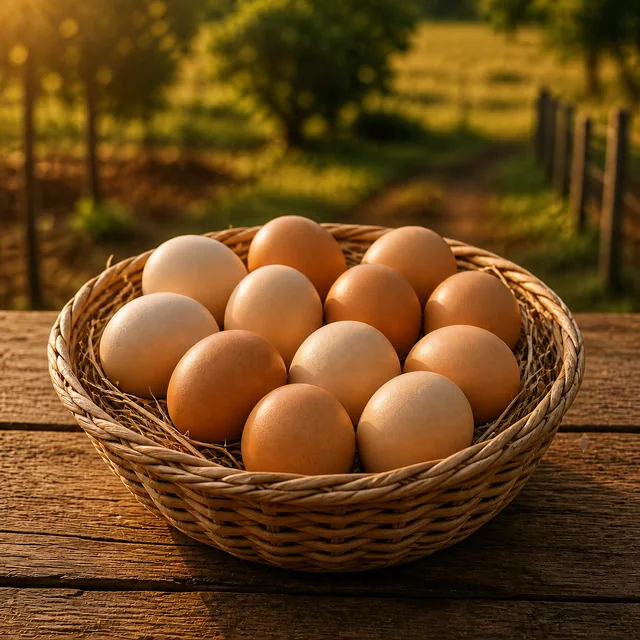
Pasture-raised eggs
From 40 named hens roaming two hectares of pasture and fruit trees.
See the complete product page →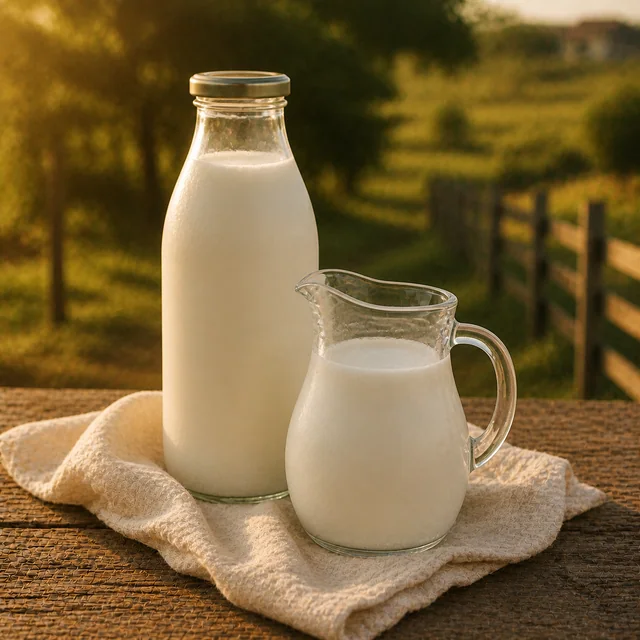
Pasteurized A2 milk
From two A2A2 Jerseys, hand-milked, pasteurized and chilled in under one hour.
See the complete product page →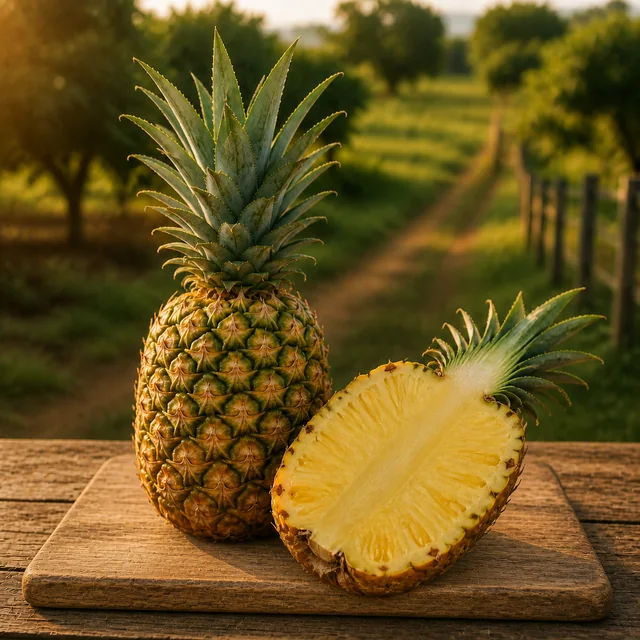
Pineapples
Three hundred plants, natural flowering, hand weeding and harvest guided by colour, aroma and flavour.
See the complete product page →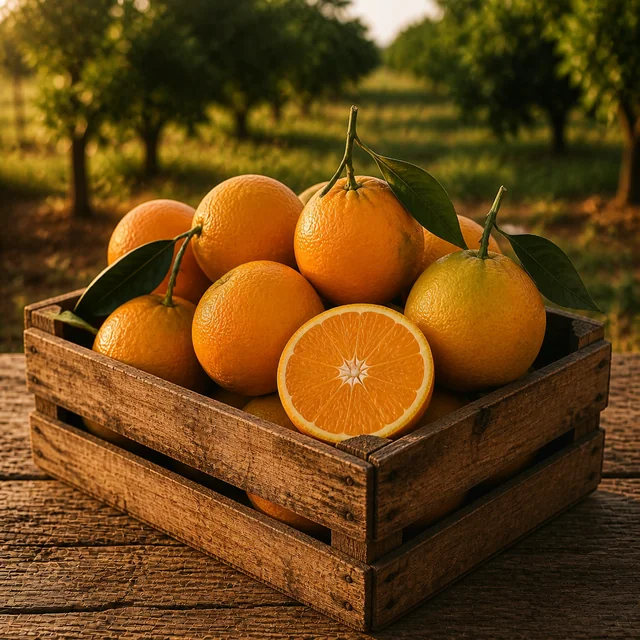
Oranges
Two hundred trees and three orange types, all hand-picked at full maturity.
See the complete product page →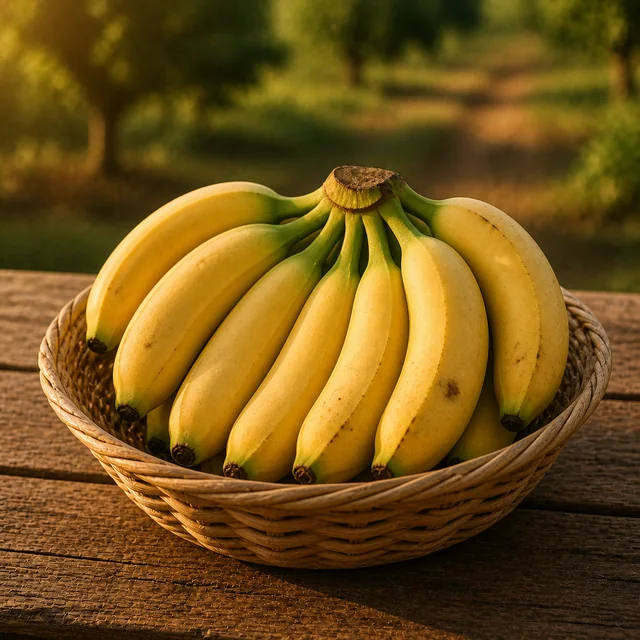
Bananas
Naturally ripened on the plant, with no gas, fungicides, preservatives or imposed grade.
See the complete product page →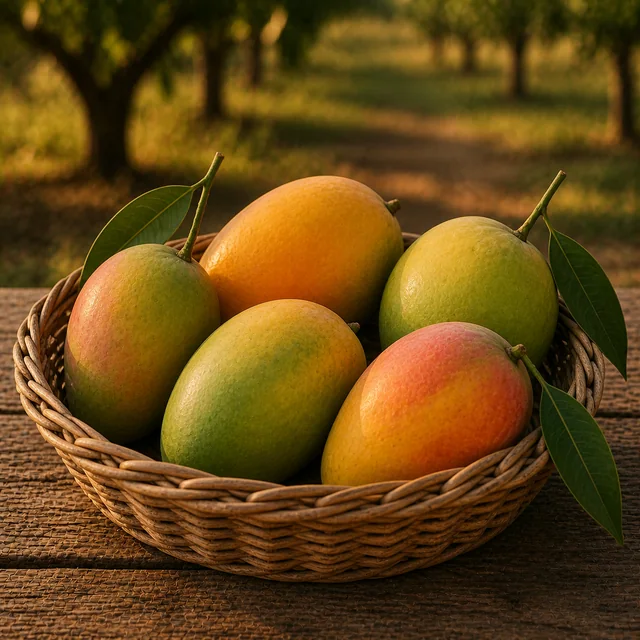
Mangoes
Seasonal fruit picked when aroma and texture develop, never forced to ripen.
See the complete product page →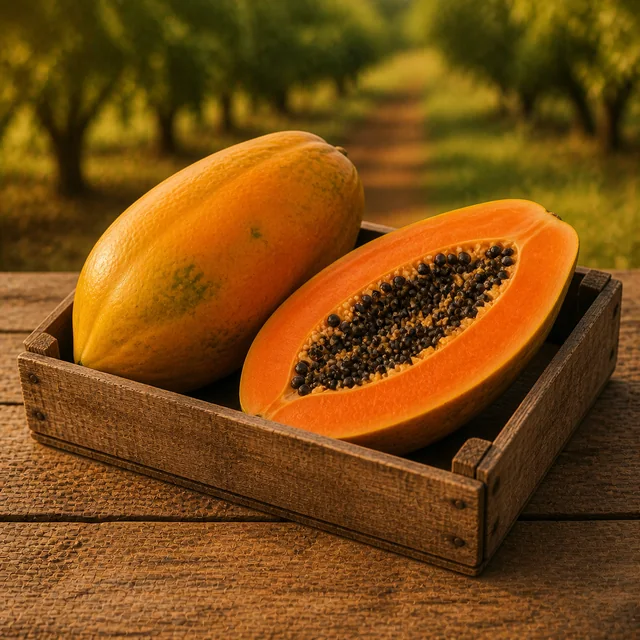
Papayas
Ripened on the tree and selected by colour and firmness, not supermarket sizing.
See the complete product page →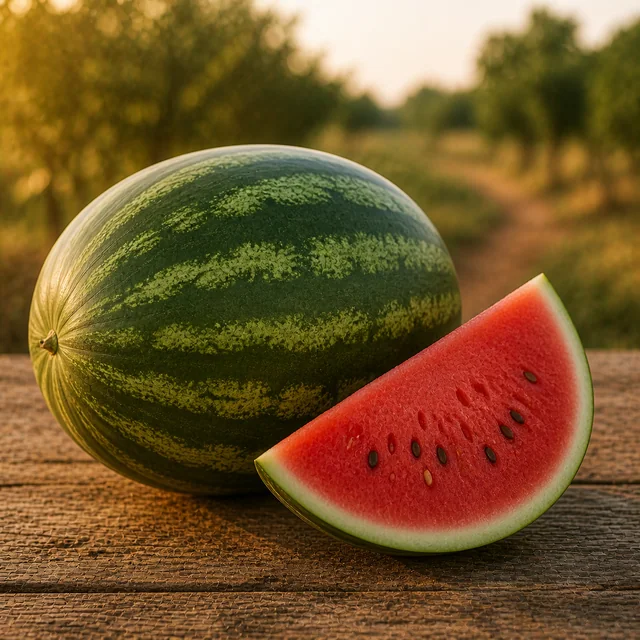
Watermelons
Grown in the sun on a small scale and harvested when each fruit is ready.
See the complete product page →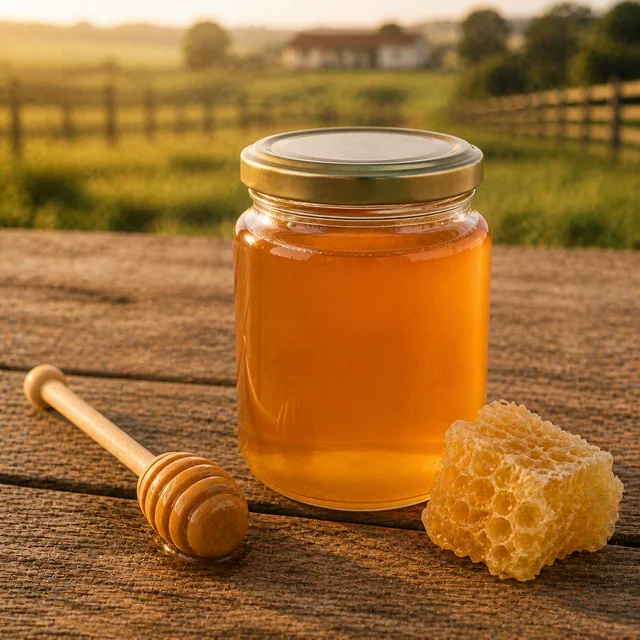
Raw honey
From our hives, raw and unfiltered, with colour and aroma shaped by each flowering season.
See the complete product page →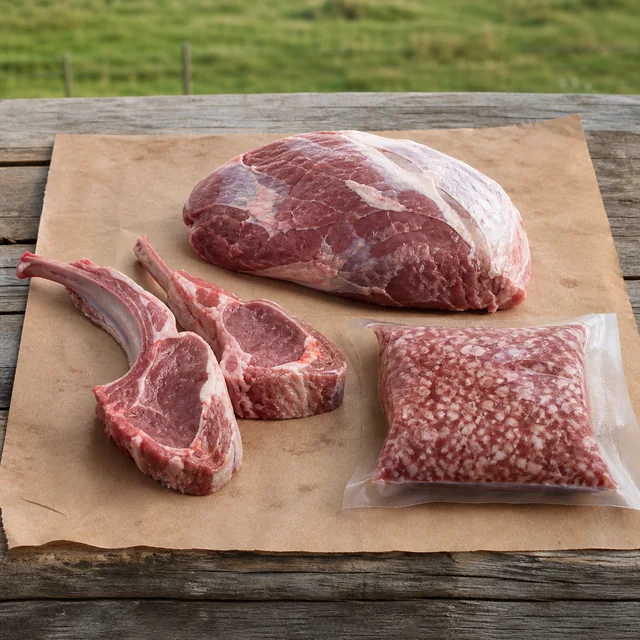
Lamb
Raised on pasture with outdoor space, clean water and no growth hormones.
See the complete product page →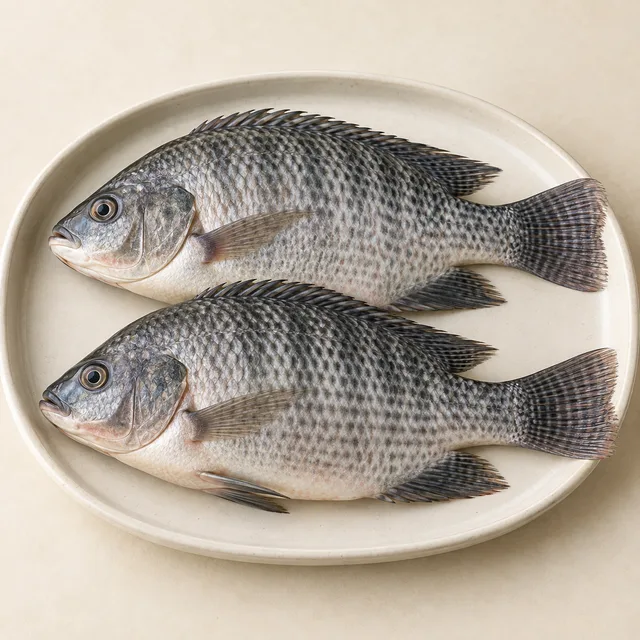
Tilapia
Raised in monitored water under direct care, with no routine antibiotics.
See the complete product page →Eggs: the hen’s life matters
Our 40 hens have names and continuous daytime access to two hectares. They walk and forage among fruit trees. They receive a grain and cereal mix, but much of their day is spent finding pasture, fruit, peelings, insects and earthworms. At night they sleep protected in the coop. We do not use preventive antibiotics to compensate for overcrowding.
Eggs are collected, brushed and dated every day. They are kept at a stable temperature, never above 24 °C, and should be eaten within 21 days. That information is worth more than a drawing of a happy hen because it describes area, routine and actual handling.
Pasteurized A2 milk: two cows, not an anonymous tank
Our milk comes from two A2A2 Jersey cows identified through a hair-based genetic test. They graze five hectares and eat grass, hay and fruit. They receive no antibiotics or growth hormones. The morning milk stays with the calf; in the evening we hand-milk only the part intended for families.
Within one hour of milking, the milk is pasteurized according to the Brazilian Type A reference heat treatment, cooled to 4 °C or below and placed in returnable glass bottles. It is not homogenized, so cream may rise naturally. The stated refrigerated shelf life is 14 days.
Fruit: flavour is built before harvest
Our 300 pineapple plants grow without crop-protection chemicals or chemical fertilizer. We do not induce flowering; each plant follows its own cycle. Harvest is by hand, guided by colour, scent and flavour. Our 200 orange trees include juice, eating and blood types. They are pruned and harvested by hand, and the fruit stays on the tree until ripe because oranges do not continue becoming sweeter once detached.
Bananas ripen naturally on the plant without gas, fungicides or preservatives. Mangoes, papayas and watermelons follow the same logic: season, observation and harvest at the right point. We impose no single commercial size because a small farm does not need to pretend nature uses a mould.
Honey, lamb and tilapia: explain each system
Honey comes from our hives and is bottled raw and unfiltered, so colour, aroma and texture change with flowering. Lamb is raised on pasture under daily observation with clean water and no growth hormones. Tilapia is produced on a small scale with monitoring of water, feed and lots, and no routine antibiotics. We do not claim every food is made in the same way; we explain exactly how each one is made.
06
A seal is a starting point, not the finish line
Organic certification matters because it creates a controlled baseline and protects an important word from empty marketing. Consumers can still ask about more than the minimum: freshness, maturity, animal welfare, distance, postharvest treatment, scale and traceability. This is where a direct relationship with the farm changes the conversation.
| What matters | Intensive conventional | Certified organic | Pura Tierra |
|---|---|---|---|
| Synthetic inputs | May use authorized programs of herbicides, insecticides, fungicides and mineral fertilization. | Restricted by the standard and subject to control. | Zero pesticides and zero chemical fertilizers on our crops. |
| Fertility | Yield supported through fast-response inputs. | Standard-compatible management and care of biological cycles. | Compost, manure and small-scale soil work. |
| Maturity | Harvest shaped by transport, shelf life and uniformity. | Certification alone does not guarantee harvest at full maturity. | We decide by colour, aroma, texture and taste. |
| Postharvest | May involve wax, fungicides, preservatives, chambers or gas depending on product. | Only treatments compatible with the applicable standard. | No wax, ripening gas or preservatives on our fruit. |
| Scale and origin | Large lots, multiple farms and long supply chains. | Controlled origin, but it may still be large-scale and travel far. | One family farm in Paraguarí selling its surplus directly. |
| Information | The label gives required facts but rarely the full story of farming or husbandry. | Verifiable operator, certificate and controls. | Figures and methods on every product page; farm visits by appointment. |
Certified organic producers are not our enemy. We want far more organic, agroecological and pesticide-free production in Paraguay. What we reject is the idea that a label ends the discussion. A certified product picked too early and transported thousands of kilometres may comply with a standard while being less fresh or flavourful than well-grown local food. These are different dimensions, and customers deserve all of them.
07
What to ask before buying “organic” or “natural” food
You do not need to be an agronomist to recognize a serious answer. You need to ask concrete questions and notice whether the producer responds with facts or retreats into adjectives.
- 1
Is the certification current?
If yes, ask which system, operator or certifier stands behind it.
- 2
What is applied to the crop?
“As little as possible” is not the same as none. Ask separately about herbicides, insecticides and fungicides.
- 3
How is the soil fed?
Compost, manure, ground cover, rotation and biological management tell a different story from chemical fertilization.
- 4
When is it harvested?
Timing and maturity criteria directly affect flavour, texture and storage.
- 5
What happens after harvest?
Wax, fungicide, preservative, washing, gas, cold and storage time all remain part of the product.
- 6
How do animals live and eat?
Space, outdoor access, feed, medication and group size should all be describable.
- 7
Can the origin be known?
A farm that opens its methods, images, lots and visits builds traceability beyond packaging.
A producer who can say “there is none” is often giving a positive signal. There are no mangoes all year. There is no identical size across a harvest. There is no infinite stock of eggs from 40 hens. Limited availability is not a failure when it reflects reality; it is evidence that the catalogue does not rule the field.
08
Buying pesticide-free food directly from the farm
Pura Tierra sells only what it produces and has available. Customers build a basket online, see current stock and submit the order. Stock is reserved when the order form has been validated. This avoids selling the same harvest twice and allows every basket to be prepared carefully.
We deliver on Tuesday and Friday mornings in Asunción, Lambaré, Luque, San Lorenzo, Fernando de la Mora and Villa Elisa. The minimum for delivery is 200,000 Gs and transport costs 45,000 Gs. Customers who prefer to avoid that fee may collect at the farm Monday to Saturday from 9:00 to 18:30 by prior arrangement.
Buying direct is more than receiving a box. It restores a conversation: what is in season, why two fruits differ in size, which lot should be eaten first and how each food should be stored. That relationship makes the producer accountable for every word and gives the customer better decisions.

09 · Our ambition
We are a small farm. We want this model to stop being small.
We do the best we can at our scale. Pura Tierra is not an industry and does not pretend it can feed all of Paraguay alone. We grow for our family, manage the farm according to our values and sell the surplus that is available. Modest volume does not make the model unimportant; it proves that a beginning is possible.
We want other small farms to surpass us, medium farms to adopt the same standards and large producers to understand that farming without pesticides or unnecessary chemicals, with living soil, true maturity and well-treated animals should not remain a niche for a privileged few. Good food must stop being rare.
Making healthy, varied and nutrient-rich food widely accessible is a national issue. It matters for adults’ everyday health, for giving children food that supports their growth and learning, and for helping every family pursue a better quality of life without importing its diet or paying for food as though it were a luxury object.
We do not want to conquer the market by hiding our method. We want the method to conquer other farms. If more producers copy, improve and spread these standards, we will have achieved something far larger than selling a harvest: helping good food become normal in Paraguay again.
10
Frequently asked questions about organic food in Paraguay
Is Pura Tierra certified organic?
No. We are not yet organically certified, so we do not market our products as certified organic and do not use Paraguay’s official organic seal. We publish our practices, figures and methods product by product instead.
Why does this article discuss organic food, then?
Because it explains the legal meaning of organic in Paraguay, why the local offer is so difficult to find and what consumers should examine. It also places Pura Tierra’s practices accurately without claiming a certification we do not hold.
Do you use pesticides on fruit crops?
No. We apply no herbicides, insecticides or fungicides to our crops. We also use no chemical fertilizers: fertility comes from compost and manure, while weeds are managed by hand.
Are all products available year-round?
No. Real fruit has seasons, and a small farm does not force an artificial calendar. Availability follows harvest, weather and the surplus we can sell. The website shows what can actually be reserved.
What does “ripened on the plant” mean?
It means we wait for the fruit to develop its natural colour, aroma, texture and flavour before harvest. We do not use ripening gas or postharvest treatments to manufacture the appearance of maturity.
How do the hens live?
Forty named hens have continuous daytime access to two hectares of pasture and fruit trees. They eat grains and cereals as well as grass, fruit, peelings, insects and earthworms. At night they are protected in their coop.
What is special about the A2 milk?
It comes from two Jersey cows identified as A2A2 through genetic testing. The calf keeps the morning milk; the evening milk is hand-milked, pasteurized, chilled and bottled in returnable glass. It is not homogenized.
Where is the food produced?
On our family farm in Paraguarí, Paraguay. We do not resell an anonymous basket: each product page explains where and how the food was grown or raised.
How do Greater Asunción deliveries work?
We deliver on Tuesday and Friday mornings to Asunción, Lambaré, Luque, San Lorenzo, Fernando de la Mora and Villa Elisa. The delivery minimum is 200,000 Gs and the fee is 45,000 Gs. Farm pickup is free, Monday to Saturday from 9:00 to 18:30.
When is stock reserved?
Stock is reserved once the order form has been submitted and validated. Adding an item to the basket alone is not a final reservation.
Conclusion
Truly good food should not be difficult to find
Paraguay has an organic law, responsible institutions and capable growers. What is still missing is a broad, visible and accessible local offer. While certification grows, customers do not have to choose between blindly trusting a vague label and accepting the conventional model. They can demand concrete information.
Pura Tierra is not organic on paper. We do not use the seal because we are not certified yet. But in the field we use no pesticides or chemical fertilizers; at harvest we use no forced ripening or postharvest makeup; and with animals we explain space, feed and care. We do not ask for trust without evidence: we publish the method.
That is our starting point. The destination is much more ambitious: one day, finding ripe fruit, eggs from roaming hens, milk with a known origin and food produced without unnecessary chemicals should no longer require an investigation. It should be the rule, not the exception.
Official sources and further reading
- Organic Production Law No. 3481/08 — National Congress Library and Archive
- Directorate of Quality, Food Safety and Organic Agriculture — SENAVE
- Participatory Guarantee System rules — SENAVE
- Decree No. 4577/10 implementing Law 3481/08 — SENAVE
Pura Tierra practices described in this guide come from our production records and the information published on each product page.